3. PAM Hardware Comparison: AudioMoth vs Song Meter Micro 2
Passive acoustic monitoring (PAM) offers a non-invasive tool for monitoring ecosystems. It entails deploying autonomous recording units (ARUs) in ecosystems of interest over extended periods to collect audio data. The data collected by ARUs is then retrieved for analysis. The choice of ARUs is important in PAM. Several factors need to be considered when choosing the ARU for PAM, including:
- Acoustic fidelity
- Energy efficiency
- Ruggedness and environmental protection
- Ease of use
- Cost and scalability
Ecosystem-level monitoring requires ARUs to be deployed in arrays across the landscape. Procuring sufficient devices for ARU arrays requires a strong consideration of cost effectiveness, and for this reason we will compare the AudioMoth from Open Acoustics and the Song Meter Micro 2 from Wildlife Acoustics. These are two of the most affordable devices on the market, making them the most appropriate options for large scale deployments.
Acoustic Fidelity
The quality of data is paramount in bioacoustics. A good recorder should record high-quality sound with low self-noise. The microphone needs to have a high sensitivity to capture quiet and distant sounds. Tests were conducted to compare the acoustic fidelity of the AudioMoth and the Song Meter Micro 2. The first test was conducted to test the sensitivity of the microphones. The second test was conducted to collect bird sounds for processing using BirdNET. In both tests, the gains of the AudioMoth and the Song Meter Micro 2 were low–medium and 18 dB, respectively. The AudioMoth’s low–medium gain setting corresponds to a linear gain of 7 (≈16.9 dB), which is nearly equivalent to the 18 dB (7.94× linear amplification) gain setting of the Song Meter Micro 2.
Sensitivity test
Sound was played back in close range, and 5 1-minute-long audio clips were recorded using an AudioMoth and a Song Meter Micro 2. Figure 1 shows the setup for recording audio playback in close range using the AudioMoth and the Song Meter Micro 2.
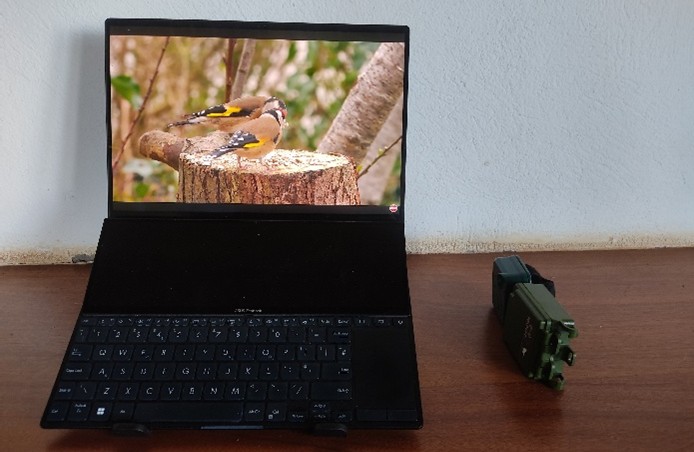
Figure 1: Setup for recording audio playback in close range using the AudioMoth and Song Meter Micro 2.
The energy of the signals recorded from the audio playback was computed and compared. The peak values of each recording were also extracted for comparison. Figure 2 shows a comparison of the energy and peak values of the audio clips recorded by the AudioMoth and the Song Meter Micro 2.
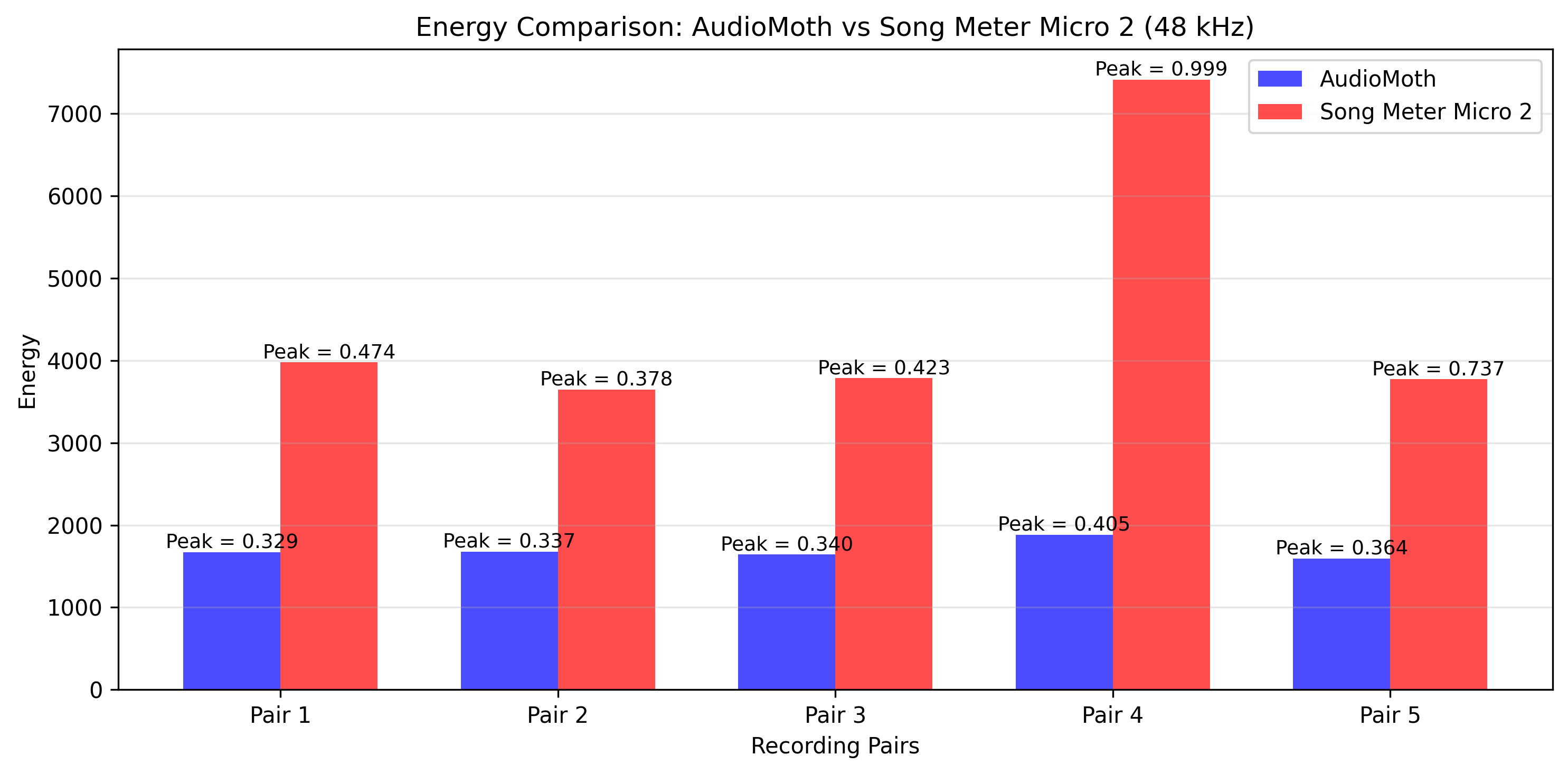
Figure 2: Energy and peak amplitude values comparison of recordings made using the AudioMoth and Song Meter Micro 2 in close range.
From Figure 2, the signals collected by the Song Meter Micro 2 have more energy and peak values compared to those recorded using the AudioMoth. This means the Song Meter Micro 2’s microphone is more sensitive than that of the AudioMoth.
Bird audio data collection and processing
The two devices were also deployed at the Natural State Research Centre to record 5-minute-long recordings. Figure 3 shows the deployment of the AudioMoth and the Song Meter Micro 2 at the Research Centre.
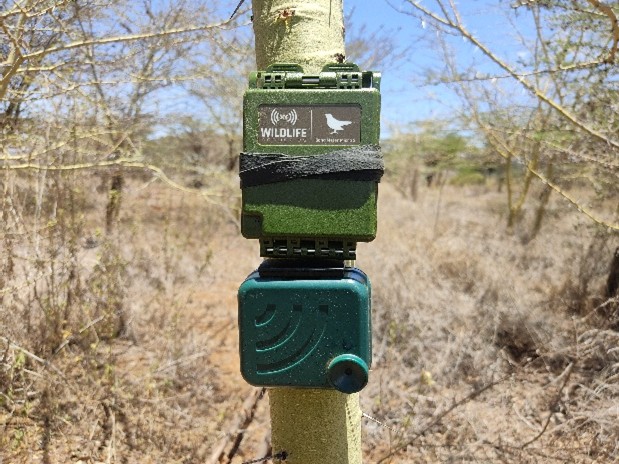
Figure 3: An AudioMoth and Song Meter Micro 2 deployed at the Natural State Research Centre for audio data collection.
In total, 130 recordings were collected by each device. The recordings were processed using BirdNET. The BirdNET outputs were analysed to compare its performance on the two audio sets. Figures 4 and 5 shows the box plot of the confidence distribution and the bar graph of the detection count by device, respectively.
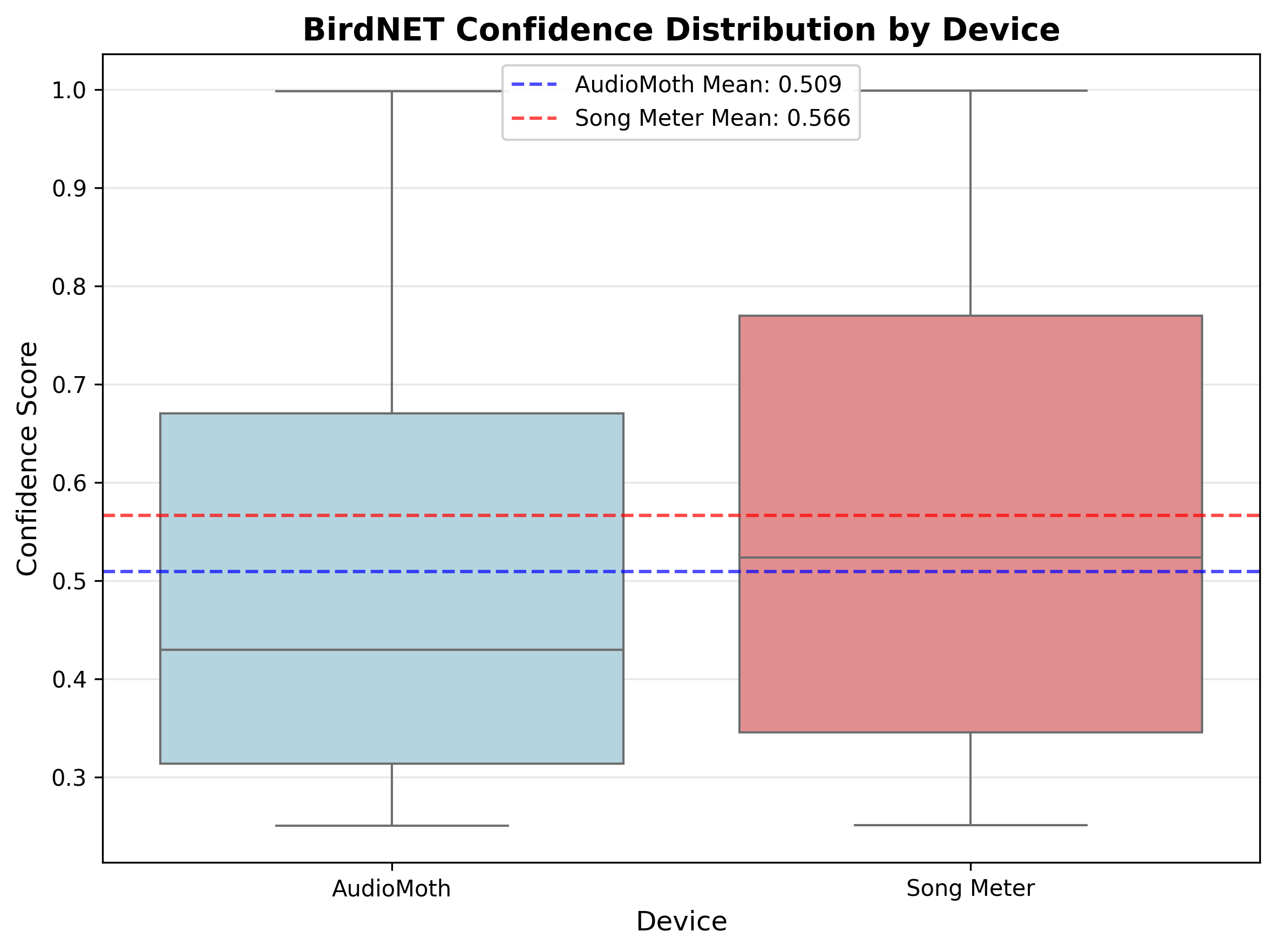
Figure 4: A box plot of the BirdNET confidence distribution by device.
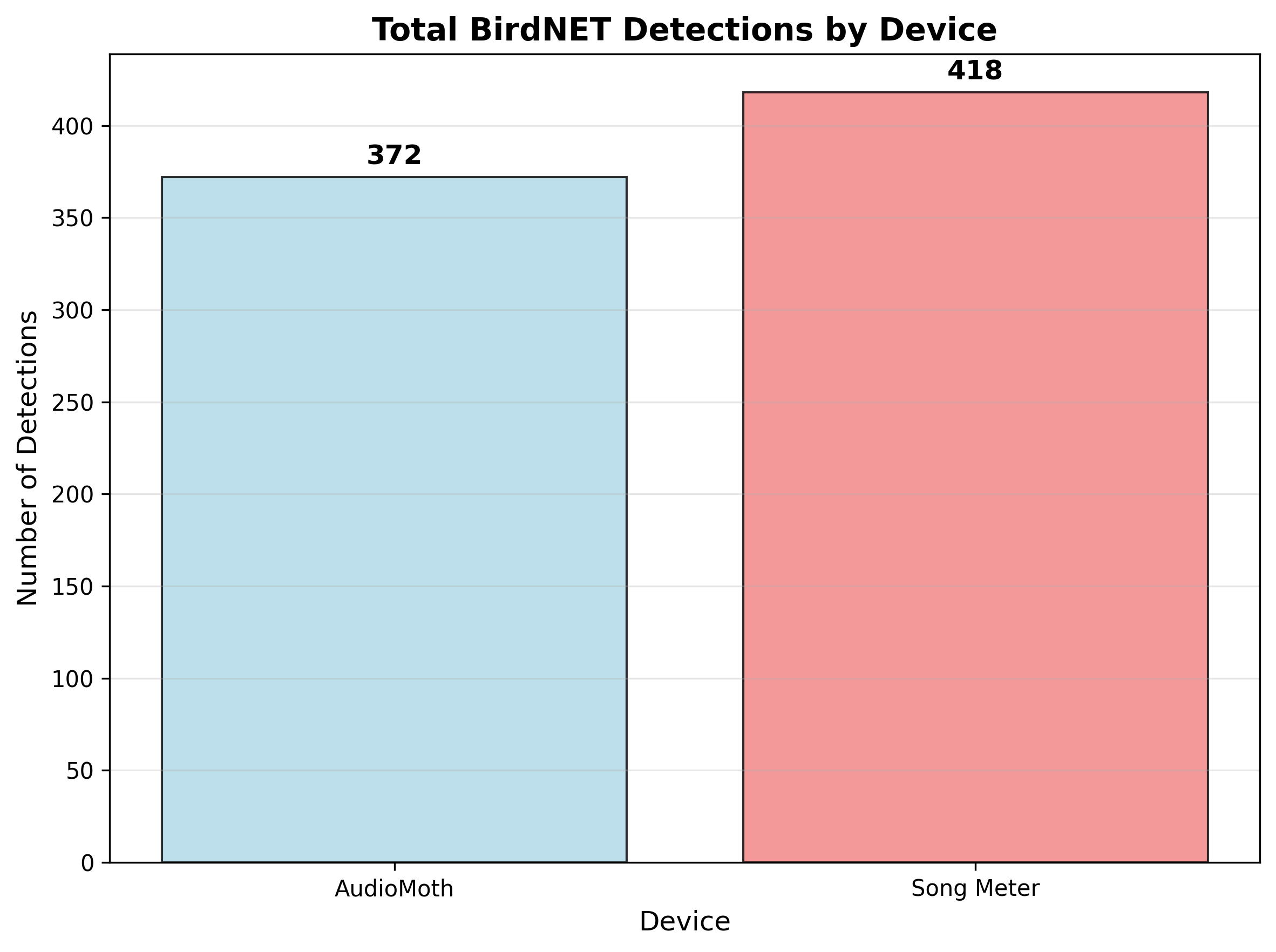
Figure 5: Total BirdNET detections by device.
From the box plot in Figure 4, the AudioMoth has a lower median confidence and a narrower interquartile range (IQR), meaning its scores are more tightly clustered around the lower-middle region. The Song Meter Micro 2 has a higher median and IQR, meaning more variability, but on average higher. This means that the Song Meter Micro 2 recordings yield slightly higher BirdNET confidence scores on average than AudioMoth recordings. This likely indicates better signal quality or signal-to-noise ratio (SNR). From the bar graph in Figure 5, Song Meter Micro 2 recordings produced more BirdNET detections than AudioMoth’s. This means that the Song Meter Micro 2 recordings are cleaner and more discernible.
Across both metrics, the Song Meter Micro consistently outperformed the AudioMoth in BirdNET analyses. Together, these results suggest that the Song Meter Micro provides recordings with a higher SNR and clearer spectral content, enabling BirdNET to identify and classify bird calls more effectively.
Cost and Scalability
Per-unit cost of acoustic recorders is a major factor for large-scale studies. Table 1 shows the per-unit cost of the AudioMoth and the Song Meter Micro 2.
Table 1: Price comparison of the AudioMoth and Song Meter Micro 2.
| # | System | Cost (USD) |
|---|---|---|
| 1 | AudioMoth | 161 |
| 2 | AudioMoth (GroupGets option) | 145 |
| 3 | Song Meter Micro 2 | 149 |
The AudioMoth and Song Meter Micro 2 differ only slightly in cost, depending on the purchasing option used for the AudioMoth. When purchased directly from distributors for immediate shipping, an individual AudioMoth unit costs approximately USD 161, making it the more expensive option. However, when obtained through GroupGets community purchase campaigns, where buyers pool orders to reduce manufacturing and assembly costs, the unit price decreases to USD 145. The Song Meter Micro 2 is priced at USD 149 per unit. Overall, the two devices are comparable in price, with differences of less than USD 4 per unit; hence, cost is not a major differentiating factor between them.
Energy Efficiency
Most ARUs are powered by batteries, making energy efficiency a crucial factor. It directly determines the operational duration in the field, reduces the logistical costs of retrieval and maintenance, and enhances data integrity by preventing gaps caused by premature power loss.
To evaluate this, the AudioMoth and Song Meter Micro 2 were each deployed with freshly charged Eneloop Pro NiMH cells (1.2 V nominal voltage, 2450 mAh capacity). Both sensors were configured to record audio at 48 kHz for 17 hours per day (from 3 a.m. – 11 a.m. and 3 p.m. – 12 a.m.), producing 59-minute recordings followed by a 1-minute pause between cycles. After 10 days, both sensors were retrieved, and it was observed that they had recorded continuously for the entire period (approximately 170 hours of audio). The 10-day duration was selected because acoustic sensors at Natural State are typically serviced every 10 days for battery replacement and SD card exchange.
Afterwards, the same SD cards were cleaned and reinserted to determine how much longer the sensors could operate. The Song Meter Micro 2 recorded for approximately one additional day (18 recordings), while the AudioMoth continued for about three additional days (53 recordings). These results indicate that the AudioMoth is more power-efficient than the Song Meter Micro 2 under the tested conditions.
Ruggedness and Environmental Protection
The AudioMoth and the Song Meter Micro 2 have weatherproof casings. The AudioMoth's microphone is shielded only by an external vent, which is prone to damage and can compromise weatherproofing. The Song Meter Micro 2 microphone is protected by a vent in the enclosure and an internal, waterproof membrane. According to the manufacturer, the Song Meter Micro 2 has been tested to withstand submersion in 1 metre of water for 30 minutes, demonstrating a higher level of environmental protection. The Song Meter Micro 2 offers superior weatherproofing compared to the AudioMoth.
Ease of Use
The AudioMoth is configured using a Desktop configuration application, whereas the Song Meter Micro 2 is configured using a mobile phone configuration application (easy to configure in the field). The AudioMoth recording duration resolution is seconds, and that of the Song Meter Micro 2 is minutes.
Conclusion
Both the AudioMoth and Song Meter Micro 2 are suitable for passive acoustic monitoring applications, offering comparable affordability and ease of deployment. The Song Meter Micro 2 demonstrated superior acoustic fidelity, higher BirdNET detection performance, and better environmental protection. The AudioMoth, however, exhibited greater energy efficiency, extending operational time under identical recording schedules. Cost differences between the two devices are negligible. Overall, the Song Meter Micro 2 offers higher recording quality and durability, while the AudioMoth provides slightly longer battery life.